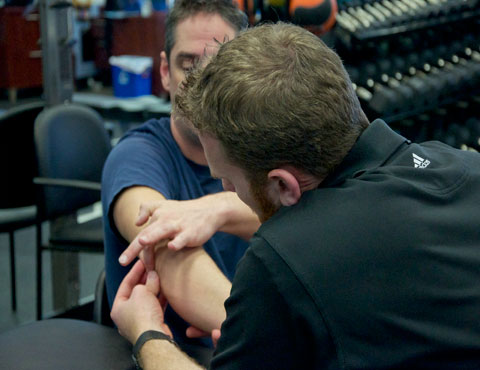
Why Won’t That Muscle Knot Go Away? Understanding Trigger Points and When Dry Needling Can Help
If you’ve ever pressed on a tight spot in your shoulder, low back, or neck and felt a jolt of pain shoot through the muscle — or noticed a small, rope-like band under the skin that just won’t release no matter how much you stretch, foam roll, or get it massaged — you’ve likely encountered a myofascial trigger point.
Trigger points are one of the most common, and most commonly misunderstood, sources of musculoskeletal pain. Here’s what they are, why they’re so stubborn, and what treatment options actually work.
What Is a Trigger Point, Exactly?
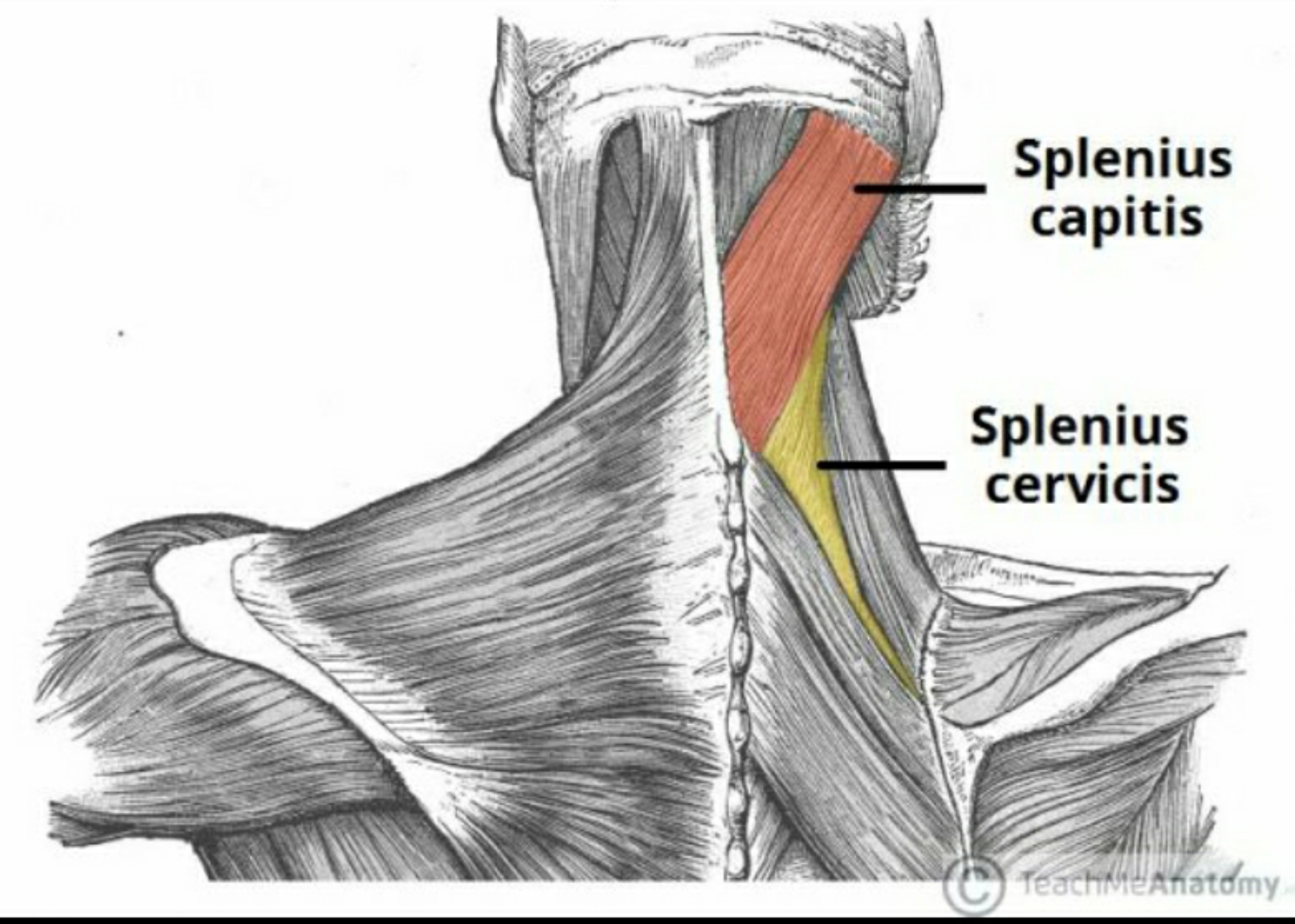 A trigger point is a small area within a muscle where the fibers have contracted and won’t fully relax. Instead of the muscle lengthening and shortening normally, that section stays locked in a shortened, irritated state. Over time, this creates a tight band you can often feel under the skin, along with:
- Localized pain or tenderness when pressed
- Pain that radiates or “refers” to a different area of the body
- Restricted range of motion in the surrounding joint
- A feeling of stiffness that returns even after stretching
- In some cases, tension headaches when trigger points form in the neck and upper shoulders
Trigger points commonly develop from repetitive strain, poor posture, an old injury that never fully rehabilitated, prolonged sitting, or overuse from sports and exercise.
Why Stretching and Massage Sometimes Aren’t Enough
Stretching and massage can offer real, if temporary, relief — but they work on the muscle around the trigger point rather than resolving the contracted fibers at the center of it. That’s why a knot can feel better for a day or two after a massage and then return to the exact same spot. The tight band itself hasn’t actually released; it’s just been temporarily calmed down.
This is where dry needling differs. A thin filiform needle is inserted directly into the trigger point, producing a local twitch response — an involuntary contraction that helps release the tight band at its source rather than working around it. Many patients notice a change in mobility and pain within the same session.
Signs Dry Needling Might Be Worth Discussing
You may be a good candidate for dry needling if you’re dealing with:
- A muscle knot that keeps returning despite regular stretching or massage
- Chronic neck, shoulder, or back tightness that limits your movement
- Pain that seems to radiate from one area to another (a hallmark of referred trigger point pain)
- Tension headaches that seem to originate from the neck or upper shoulders
- A nagging injury — like tennis elbow, plantar fasciitis, or IT band pain — that hasn’t fully resolved with other treatment
What to Expect
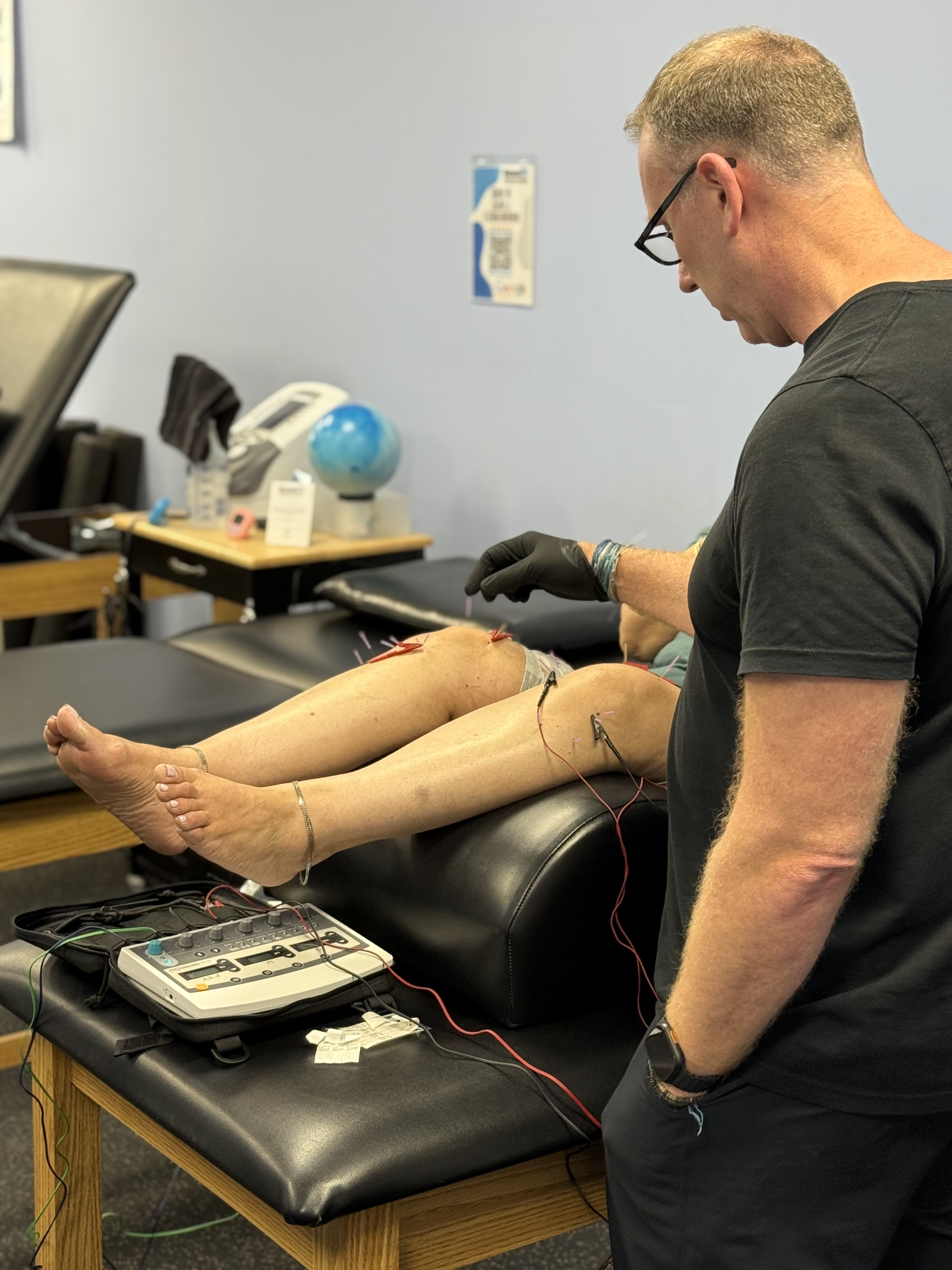 Dry needling is typically incorporated into a broader physical therapy plan rather than used as a standalone fix, though standalone sessions are available for people not currently in a PT plan of care. Most patients describe the sensation as a brief cramp or ache rather than sharp pain, and any post-treatment soreness usually resolves within 24 to 48 hours.
At BeneFIT Physical Therapy, dry needling is performed by Dr. Brian Ireland, PT, DPT, Cert DN, who has over 23 years of clinical experience treating patients throughout Bridgewater and Chester, NJ.
Curious whether dry needling could help your specific issue? Visit our Dry Needling page to learn more about the treatment and current pricing, or contact us directly:
- Bridgewater: 908-203-5200
- Chester: 908-879-5700
This blog post is for general educational purposes and is not a substitute for individualized medical advice. Contact our office to discuss whether dry needling is appropriate for your specific condition.